Connected operational processes
Teams could work within a more consistent system rather than relying on disconnected applications and spreadsheets for different stages of a transaction.
Business transformation · CRM · Operations
Connecting disconnected departments around one clearer view of the business.
A CRM should be more than a place to store contacts. I helped drive a company-wide move to Salesforce to improve how information flowed between teams, strengthen process consistency and make commercial outcomes easier to understand in real time.
 Platform visual
01 / The challenge
Before the transformation, different parts of the business relied on a mixture of Zoho, Alto and spreadsheets. Information was fragmented, processes varied between teams and understanding the full journey from an enquiry to a commercial outcome could require significant manual work.
The existing setup limited visibility and made it harder to build consistent workflows across departments. A larger, more connected operating system was needed.
02 / My involvement
I proposed Salesforce as the solution, helped select the direction, recruited the people required to implement it and led the overall project. My contribution was in business requirements, prioritisation, coordination, process thinking and overseeing delivery.
I did not personally configure or code the entire Salesforce implementation. Specialist team members handled much of the platform build, while I worked to ensure the system addressed the operational and commercial problems it was intended to solve.
03 / A phased company-wide rollout
The transformation took place in phases over approximately 12 months, spanning marketing, finance, sales, client care, progression, selling and investor-related functions, among other areas.
Rather than treating CRM as a single-team tool, the work involved understanding the hand-offs between departments and creating more consistent records, statuses and workflows. The goal was to reduce gaps between teams and make business information more reliable throughout the customer and transaction lifecycle.
04 / What changed
Teams could work within a more consistent system rather than relying on disconnected applications and spreadsheets for different stages of a transaction.
Shared records and structured processes made it easier to see where activity sat within the wider journey and to identify issues that needed attention.
One of the most valuable changes was improved visibility of monetisation and financial outcomes. Instead of relying on fragmented manual reporting, leadership could access a more timely view of what was happening across the business.
Salesforce created a stronger base for connected marketing journeys, reporting systems and operational tools developed subsequently.
05 / The outcome
The result was a live, company-wide CRM environment supporting multiple departments and improving the consistency of operational information. The biggest benefit was clearer, more timely visibility of commercial outcomes, alongside better-connected processes and reporting.
The transformation was a substantial cross-functional effort. Its success depended on specialist implementation work as well as business leadership, coordination and ongoing adoption.
06 / What I learned
A CRM migration is fundamentally a business-change project. Technology matters, but the real challenge is understanding how departments operate, agreeing consistent processes and helping teams adopt a shared way of working. This project broadened my experience well beyond marketing into operational transformation.
System view
Conceptual only. No confidential data or interfaces are shown.
Project imagery
Approved project imagery. Confidential details are anonymised or omitted where required.
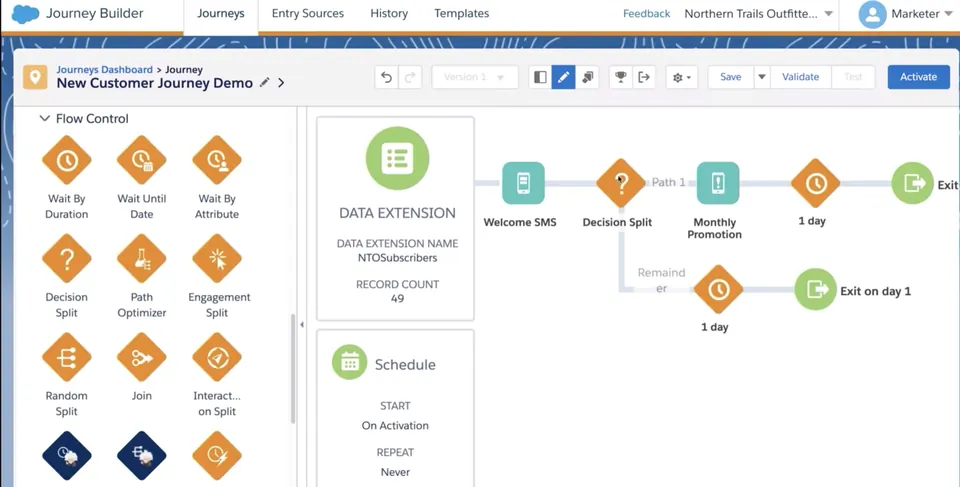 AI & Automation
Hands-on setup of Salesforce Marketing Cloud, replacing Mailchimp, Textlocal and Zapier with integrated, segmented lifecycle journeys.
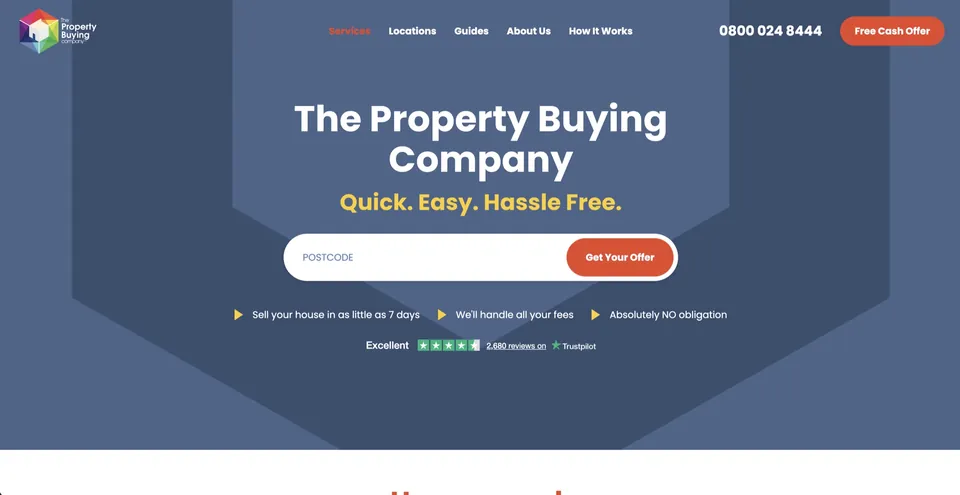 Digital Experiences
A redesign and migration from October CMS to Storyblok, coordinated from planning through launch.
 Platforms & Products
Tickets, estimates, approvals, tracked hours and invoices for a lean team working with external specialists.